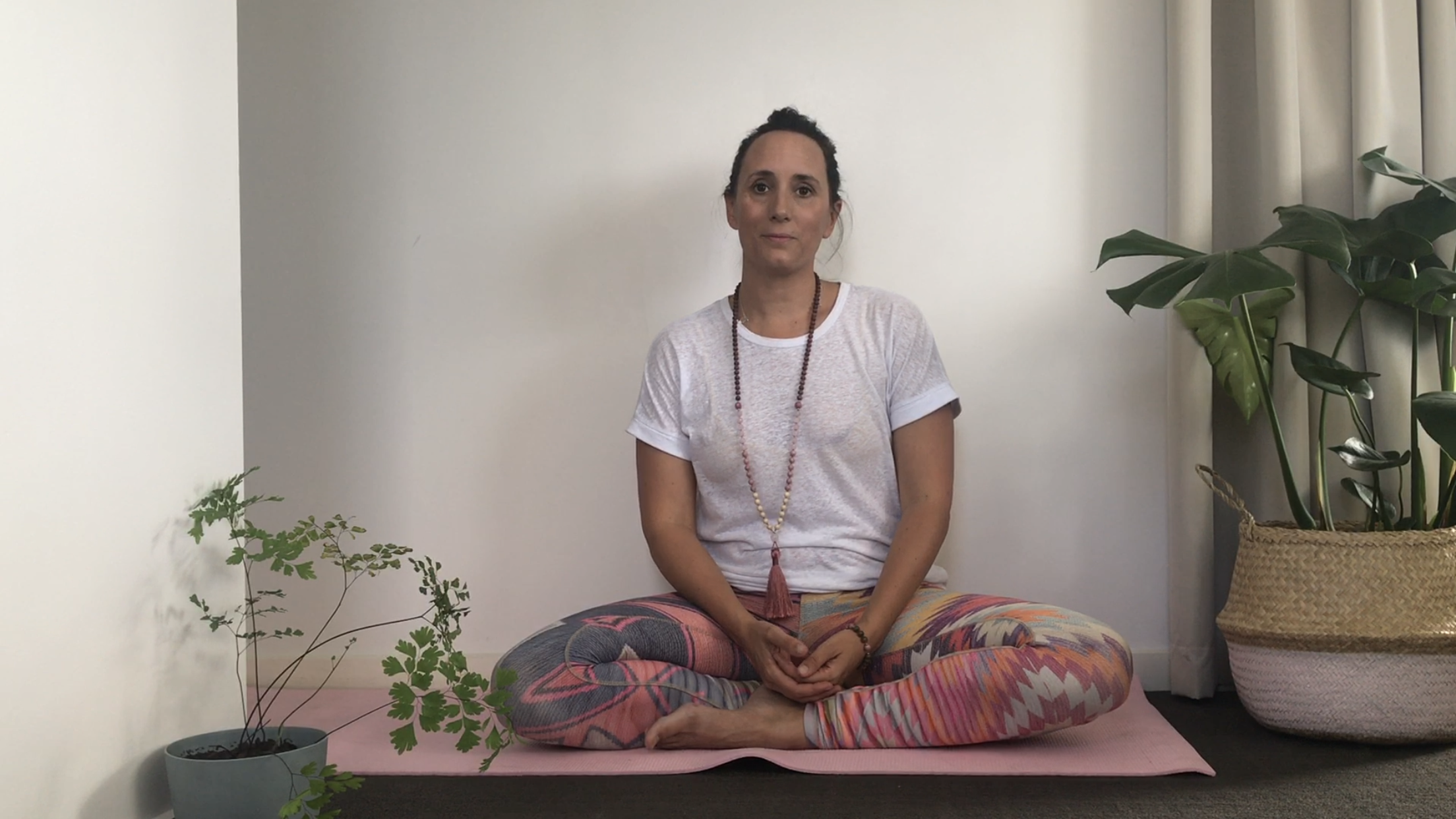
Six Week Postpartum Checkup

  1. Birth History

    Taking a detailed birth history is an integral first step when seeing patients for their six-week postpartum check. It is important to gain an understanding of the pregnancy and birth experience; be it vaginal, planned or unplanned cesarean. Knowing if labour was induced or came on spontaneously, the length of each stage of labour, whether there was any tearing or an episiotomy, how these scars are healing, pain relief that may have been used during labour and if any is still required, what forms of intervention may have been needed and if the patient felt they experienced any trauma, their general recovery and if they have the appropriate support inside and outside of the home. This information is essential to ascertain the individuals physical, emotional and social well-being, allowing you to treat the whole person.

  2. General History Taking

    Along with the patients' birth history it is important to be aware of the patients general health status. Some individuals have experienced other hospitalisations, surgeries, medical conditions, musculoskeletal complaints, previous pregnancies and births or take ongoing medication. Knowing and understanding this information allows us to gage how much load their body is currently under, if there are any red flags that contraindicate safely proceeding with treatment and how to appropriately treat and manage their complaint.

  3. Assessment

    Assessment begins as soon as we take our patient into the treatment room. A lot of information can be gathered by observing them walk into the room and the position they assume once seated.Once the birth history and medical history has been taken the "official" assessment begins. Starting with the patient standing, we observe their posture, breathing and functional movement. The patient then lies on the bed and we assess their abdominal muscles for any diastasis recti, if applicable we will feel for any tension that may be present around the cesarian scar. We also perform functional tests in this position before going on to assess the pelvic floor. The all important pelvic floor assessment! This involves observing the healing of any tears and episiotomy scars, checking for any signs of prolapse, assessing how the pelvic floor muscles respond to commands such as contracting and coughing, assessing the strength of the pelvic floor muscles and checking if any tension is present.

  4. Treatment

    Treatment objectives are based on the patients' history, examination findings and treatment goals. Treatment can incorporate both internal pelvic floor techniques and external treatment techniques integrating all findings to treat the patient as a whole.When treating the pelvic floor we focus on decreasing the load applied to the pelvic floor muscles and any strain patterns that may be present and impacting function. Techniques include internal and external myofascial release to the pelvic floor, other muscles in the body, any scars that are present and joint restrictions.

  5. Exercise Prescription

    Exercise prescription is a helpful tool to support patients in reaching their postpartum goals. This often begins with ensuring the patient is able to connect their breath with their pelvic floor. Many people are unaware that our pelvic floor actually rises and falls with concentric and eccentric contractions, as does the diaphragm, on exhalation and inhalation respectively. Occasionally, this movement is not synchronised or may not be present at all so it imperative that this is established first. From here we start including exercises aimed at easing tension or building strength of the pelvic floor in a functional manor and in combination with movement based exercise for the whole body.

  6. Lifestyle Advice

    Lifestyle advice is another tool that we use in conjunction with treatment and functional exercise to support patient's working towards their goals. We incorporate lifestyle advice as part of the 6-week postpartum check and future appointments. This may include tips for lifting and carrying their newborn (and other children), pushing the pram, pain management as well as tips around creating healthy bowel habits and strategies to aid in managing other symptoms that may be present like urinary urgency or light bladder leakage. We find that this thorough and holistic approach is most beneficial in achieving positive patient outcomes and helping patients feel supported and empowered during their postpartum journey.

@bump.to.babe.osteo

What is Pelvic Organ Prolapse?

The most simple way to think about a pelvic organ prolapse is that there has been an anatomical shift in the position of one (or multiple) pelvic organs downwards.

The pelvic organs are supported in their position by the muscles of the pelvic floor and an intricate network of fascia and connective tissue. When these supporting structures lose integrity from weakness, stretching and or as new research suggests tension; the ability of this network to support the pelvic organs is impacted. When this happens the organs can bulge into the vagina (or rectum with a rectal prolapse) and towards the vaginal opening.

Common symptoms associated with prolapse include;

  • Heaviness or dragging in the vagina.

  • Fullness or bulging sensation in or out of the vagina.

  • Urinary retention, post void dribble, urinary incontinence and urgency.

  • Difficulty having a bowel movement.

  • Constipation.

  • Pain during intercourse

The most common presentations of pelvic organ prolapse are uterine prolapse, cystocele and rectocele. Although not as common, rectal prolapse, vaginal vault prolapse and intestinal prolapse as a herniation can also occur.

Can I have sex with a prolapse?

Sex with a prolapse; please know there are no studies or research to suggest sex makes a prolapse worse. The wall of the vagina is made to stretch and move, in most cases the penis, finger, dildo will move your prolapse out of the way, especially with the assistance of gravity.

If you have a prolapse and are wanting to be, or are active in the bedroom here are our top six tips:

  • Grab a mirror, get comfortable and get to know your anatomy. If you’re up for it, masturbate. Yep, We just suggested that! Homework: learn what feels good.

  • Use a good quality water based lubricant where the pH is in the range of the vagina.

  • Experiment with pillows and positions that use gravity. Lifting your pelvis uses gravity to help move your organs away from the vaginal opening.

  • Communicate with your intimate partner. Let them know what feels good, what makes you uncomfortable and if any pain is experienced. If sex is painful please seek out a health provider who can help.

  • Take your time, have fun, and be kind to yourself.

  • Listen to your body; stress, fatigue and long days on your feet can all impact your prolapse. What may have felt good that morning or last week may be uncomfortable later.

If you have a prolapse, help is available. Sex is possible. We are here to help


What should I do if I have a Prolapse?

You have a pelvic organ prolapse (POP), maybe it’s been officially diagnosed by a health professional, maybe you can see and feel it or maybe you know things ‘just ain’t right’ since you gave birth. The reality is up to 50% of people who have given birth, have a POP. Whether you have given birth or not, we have compiled our top five tips for those who have a prolapse.

1. Drop everything and see a pelvic floor physical therapist who is skilled in the assessment of POP. It is essential you have a thorough assessment of the pelvic floor, your breath, abdominal wall, core and whole body posture. You will need a plan for treatment and rehab along with lifestyle advice specific for you and your goals. Kathryn Johns is a leader in the fields of osteopathy, pregnancy and pelvic health in Australia and is experienced working with patients experiencing prolapse.

2. Breathe. You need to spend time reconnecting with your breath, this is a great way to connect with your pelvic region and core. Correct breathing strategies allow full range of motion of your pelvic floor and optimal strength. Poor breathing mechanics can increase the load down onto the pelvic floor and pelvic organs. 

3. Fix constipation. Constipation and straining on the toilet is a major risk factor for POP. If you are concerned about prolapse and you are constipated you need to see a naturopath/nutritionist and pelvic floor therapist ASAP. A great way to start impacting constipation right now is by looking at your pooping posture.

4. Listen to your body. Exercise, sexual positions and movement practices that felt great yesterday or even that morning may not feel good at another time. If this is the case, come back to your breath and rest. Reconnect with your pelvic floor, take things slow and be kind to your self.

5. Reduce stress. Studies have shown that when you are stressed and your central nervous system is in a heightened state your POP will bother you more. What does this mean? When you are stressed your POP symptoms will appear worse, they will bother you more than two days ago when you were feeling fancy free. This is not a reflection of how your anatomy is positioned, in fact you may have improved. If you are feeling stressed, come back to your breath, if this is not working it might be time to see a health professional to help with stress management strategies.

What is Bladder Pain Syndrome/interstitial cystitis ?

What is Bladder Pain Syndrome/Interstitial Cystitis ?

A little bit of anatomy first, the bladder is a muscular organ that receives filtered urine from the kidneys. As the bladder fills the bladder wall is stretched. This stretch automatically sends information to your brain, making your brain aware of how full the bladder is and when it will be an appropriate time to wee. When the time is right you will feel the urge to void and, with that sensation, look for a toilet. 

Bladder pain syndrome (BPS/IC) typically involves bladder hypersensitivity with symptoms of bladder urgency, frequency and pelvic pain in the absence of any infection. In extreme cases it is common to visit the toilet in excess of 40 times a day. 

BPS is a complex pain condition involving the bladder, pelvic floor and nervous system. 

BPS is more common in women than in men and it is estimated that 1.2 million Australians are living with this condition. BPS is often associated with negative cognitive, behavioural, sexual or emotional consequences and can be linked to a reduced quality of life (Engeler et al, 2020).


What are BPB/IC symptoms?

Symptoms vary between individuals, but can include,

  • Suprapubic pain (pain above the pubic bone)

  • Bladder pain and pressure with filling, that is not relieved with a void

  • Burning sensation with a void

  • Increased urgency and frequency of void

  • Vulva pain - vulvodynia 

  • Phantom UTIs

  • Generalised back hip and pelvic pain

  • Dyspareunia - general term for painful intercourse 


What causes BPS/IC?

There is much debate on this topic, and no consensus; some believe it is caused by Hunner’s lesions, a dysfunction in the lining of the bladder. However only 10% of those with BPS have these lesions. 

What we do know is that 87% of those with the condition have overactive, tight pelvic floor muscles (Peters et al, 2007). We also know that these muscles, when tight, can cause referral patterns that mimic the sensation of urgency and/or bladder pain. When these muscles are released it gives the bladder an opportunity to function optimally. 

We also know that after having experienced 3 UTIs the bladder can be up-regulated, making it easily irritated.  

How do we treat Bladder Pain Syndrome?

According to the American Urology Association, pelvic floor therapy is the first line of treatment for BPS/IC. 

Kathryn, our pelvic health trained osteopath has completed extensive training in the field of BPS/IC where she has studied under and been mentored by some of the world's leading experts in pelvic health and BPS/IC. She has an incredible understanding of the anatomy and facial connections impacting both the bladder and the pelvic floor muscles. 

Kathryn believes in adapting a multi dimensional approach to treatment, including internal and external myofascial release to the pelvic floor muscles and the fascia supporting the urethra and bladder. Education and home exercises on breathing, yoga hip and spine movement practices and meditation along with self care and self compassion.  

Tips for Prolapse During Pregnancy

Have you been diagnosed with a prolapse and are wishing to conceive or are already pregnant?

This can be a scary time. Worried that pregnancy and birth might make your prolapse worse? Trust me this is common concern and a conversation we have with patients regularly. And it is scary and frightening, but it’s important to know that having a prolapse while pregnant is manageable and safe with some guidance, exercises and lifestyle modification. Our tips for managing this time are below.

Connect with your breath and pelvic floor

Spend time observing your breath, feel the subtle lengthening and decent as you breath in & as you breath out notice the pelvic floor engage and lift. Once you have connected with your breath you can add a gentle lift and engagement of your pelvic floor as you breath out. You can do this while in a semi-reclined position, seated, childs pose and standing.

SEE a Pelvic Floor practitioner

If you have a prolapse please make an appointment to see a qualified pelvic floor practitioner (osteopath/physiotherapis) to have your pelvic floor assessed and an individualised pelvic floor rehabilitation program created. This may involve strengthening exercises, breathing strategies and or ways to improve neuromuscular timing and coordination

Manage your constipation

Constipation is commonly experienced during pregnancy and along with straining is a major risk factor for prolapse. Consuming adequate water & fibre along with creating a healthy bowel routine while adapting good pooping posture & not straining is essential for minimising impact of prolapse on the pelvic floor. Oh and don’t forget the squatty potty to help achieve optimal pooping posture and the use of ooo cha to help expel the unwanted waste.

Listen to your body

Take the time to listen to your body; understand that your body, posture and centre of gravity is constantly changing and with this your prolapse symptoms can also change. A easy activity last week can cause a pressure and dragging sensation today. Knowing your body will allow you to alter your movements strategies to minimise impact on prolapse.

Use the Recovery Position

When feeling tired and extra pressure, bulging and dragging sensation in your vagina, taking some time to rest in a recovery position is important. Lying on your back with your legs up the wall or resting on a chair. Placing a pillow under your pelvis encourages your organs to move away from the entrance of your vagina. Then observe the natural rhythm of your breath & gently engaging your pelvic floor with your exhale. If lying on your back is uncomfortable, makes you feel dizzy or nauseous; please stop this exercise.

Exhale with Exertion

As you roll over, sit to stand, lift and other activities that involve some exertion; perform the activity with an exhale. As you prepare to move, exhale and gently blow out. By gently blowing & feeling your core engage & then moving, minimises the force directed to your pelvic floor and pelvic organs.

Look at your Posture

We know postural changes can influence the force and pressure applied to the pelvic floor. We also know pregnancy is a time of ever changing posture. Rather then sinking into these poor postural changes try to stand, sit and lye in alignment with our natural curvature. A quick way to test if your posture is optimal, check in and see if breathing is effortless, then we know our posture and alignment is on point. Having trouble try untucking your butt!!

Stay Active and whole body strengthening

Staying active & strengthening your whole body is great for overall pelvic health. It is important to exercise symptom free and under the guidance of your health care provider and/or within the pregnancy guidelines.

As a bonus regular exercise can help stimulate a bowel movement.

Manage your stress

When looking at our pelvic health we know stress can impact your ability to have a bowel movement and constipation is a risk factor for prolapse. We also know when stressed you will clench your pelvic floor muscles which in turn impacts the ability to contract effectively. Studies tell us when stressed our prolapse symptoms will bother us more. This doesn’t mean the symptoms are worse just that they bother you more causing more stress. Developing good stress management strategies is essential.

Leaky Gut, Leaky Vagina and the microbiome with functional nutritionist emma parks

Recently Kate got together with Emma Park a functional nutritionist to talk all things gut health, gut microbiome, leaky gut and leaky vagina; in particular for the pre and post natal period #first1000days. You can check out their video below #first1000days.

We have also linked Emma's guide to pre and probiotic foods to benefit your gut.

For more information on Emma Park and functional nutrition, visit Emma's website for more resources or to book an appointment to see Emma. If you are particularly interested in pre and post natal gut health and the importance of children's gut health, information on Emma's courses can be found on First 1000 days and you can join Emma's First 1000 days Facebook group for more resources.

Coughs, Colds and COVID-19 - and their impact on your pelvic floor

Coughs colds and COVID 19 and the impact on your pelvic floor. .PNG

By now we all know that COVID- 19 isn’t great for our health, our families, our community or our hip pockets … but on the other hand it is great for mother earth, family time and slowing down. 

Not wanting to be a negative Nancy... but has anyone sat down and thought about the impact COVID-19 and the symptoms associated with the virus could have on our pelvic floor? 

What is the pelvic floor?

I’m glad you asked. The pelvic floor is a beautiful collection of muscles and fascia at the base of our pelvis that controls urinary, bowel and sexual function, as well as helping with the stabilisation of our spine. 

I can tell you right now that the pelvic floor will loathe COVID-19.

Why? What does the pelvic floor muscle have to do with COVID-19?

By now most of us are aware of the symptoms associated with COVID-19

  • Dry cough

  • Fever

  • Tiredness 

  • Sore throat 

  • Runny nose

  • Shortness of breath

Did you know that coughing and sneezing place great stress on the pelvic floor? Have you ever tried to keep your eyes open while sneezing? The pressure created during a sneeze, means that it is impossible to keep your eyelids open. I dare you to give this a try. That same force and pressure also heads south, forcing our pelvic organs downwards. We rely on our pelvic floor muscles appropriately engaging to oppose this pressure, and by doing so, keep us dry. Pretty impressive, right?

As for those elegant ladies out there who pinch their noses when they sense a sneeze coming. Know this, lovely ladies... the force we rely on to clear our nasal passage is consequently being contained within, and you guessed it... that contained force has to go somewhere. And it does, it heads south, putting further stress on our pelvic floor muscles. So, I say NO to the pinch! Let that sneeze out! Be loud and proud!

In a perfect world, just prior to coughing or sneezing, we rely on an automatic, well timed, perfectly coordinated, strong contraction of our pelvic floor. If achieved this keeps us safe from leakage by resisting the pressure of our organs being forced down and keeping our sphincters closed. Nice work muscles! 

However, when the timing is off, or our pelvic floor muscles are weak, urine is going to flow, as our pelvic floor muscles will be unable to keep the urinary sphincter closed. It is embarrassing, common and NEVER EVER normal. We call this - Stress Urinary Incontinence (SUI).

_dsc8884.jpg

A recent study has shown that coughing, one of the most common symptoms of COVID-19, puts more pressure on our pelvic floor muscles than lifting 18.2kg, running or even jumping. Imagine that you have COVID-19 and a persistent cough. You are going to hope your pelvic floor is functioning well.  I know that there are people who are already cringing at the very thought of a persistent cough… they already know the consequences. 

If your pelvic floor is not strong and healthy or if its timing is off, urine may leak out when you cough. A persistent cough places extreme pressure on the pelvic floor, even those who suffer with mild pelvic floor dysfunction can suffer from urinary leakage with a persistent cough. Every Winter at Eastern Osteopathy, we have an influx of patients who complain of SUI when coughing. hear you asking. But what can I do about it?

Now is the time to start with a well timed KNACK. What is this KNACK I speak of? It is an  intentional, strong contraction of your pelvic floor muscles just prior to coughing, sneezing, laughing or lifting. If you are one of the many women/men who suffer with SUI, a KNACK can be an essential part of your pelvic floor retraining by learning about appropriate timing of contractions.

ARRRGH but it only works for the first cough/sneeze then I’m like a leaking tap. This is also common, to work on increasing the strength of the pelvic floor and by doing so improving the effectiveness of the KNACK, you can do short sharp contractions of the pelvic floor holding for 1-2 seconds then relaxing before you contract again. Doing three sets of 10 repetitions should get the best results.

To make the contraction even more effective add a short, high pitched sound like quip or tip when lifting and contracting your pelvic floor muscles. STOP reading now!! Give this a try; start with short sharp contractions of your pelvic floor and then add the high pitched sound (quip/tip). Feel and sense the difference..You can thank me later!

One last thing about training your pelvic floor using a KNACK, it is important that you don’t lift and engage your pelvic floor too early. We want and need your diaphragm to descend fully with a breath in. Contracting too early will prevent your diaphragm from doing its job of fully descending and therefore creating enough force to clear your airway.  

If you still experience leakage after strengthening and actively engaging your pelvic floor using a KNACK, check out your posture. When it is time to cough, stand up straight, correct posture and alignment results in any increases in intra abdominal pressure being distributed to the pelvis rather than adding stress to the pelvic floor. Still not working!!!  It's time to see a pelvic floor trained osteopath (or physio) - as you may need a specific training program and to work out the ‘Why?’. Why is my pelvic floor not functioning correctly? What structures are preventing my pelvic floor from functioning correctly?

The impact of COVID-19 and it’s array of symptoms on our pelvic floor do not stop there. The breathing restrictions associated with respiratory distress can also have a negative impact on your pelvic floor. Breathing restrictions do not allow your pelvic floor muscles to fully lengthen and contract as would normally occur with relaxed breathing. This kind of breathing can cause our pelvic floor muscles to stay in a constant state of tension, which is definitely not ideal.

If your pelvic floor muscles are in a constant state of tension and you cough, this group of muscles tend to have nothing more to give. A KNACK just won't cut it. The impact of a tight pelvic floor is huge; it's not just urinary leakage on the cards, it can also result in a variety of symptoms ranging from painful intercourse, urgency to urinate, as well as lower back and pelvic pain. 

What you may need to do is some relaxed diaphragmatic breathing exercises. By doing this you are allowing your pelvic floor muscles to go through their entire range of motion, optimising their ability to contract and lengthen. This action is essential and allows for maximal strength of contraction, which is uber important when you are suffering from coughs and sniffles. 

Not sure how to do a relaxed diaphragmatic breath? Check out our video.

As we enter the season of coughs, colds and sniffles (and COVID-19), we are washing our hands, practicing social distancing and staying home. It's also time to add a KNACK prior to coughing, sneezing and lifting and 5 minutes of daily relaxed breathing to our daily routine, and by doing so we can strengthen, lengthen and teach our pelvic floor muscles about appropriate timing of contraction. These suggestions can help minimise the impact a cough or sniffle has on this essential group of muscles during this tricky time.

Embed Block
Add an embed URL or code.

Relaxed diaphragmatic breath with pelvic floor awareness

Today we present you with a short video of how to practise a relaxed diaphragmatic breath, with pelvic floor awareness. 

Why are relaxed diaphragmatic breaths important? Well … when we take a relaxed breath in, our thoracic diaphragm moves down and our pelvic floor lengthens and drops down slightly.  Then, when we breathe out, our thoracic diaphragm moves up and our pelvic floor shortens, as it contracts and lifts slightly.

This breathing allows our pelvic floor to lengthen and shorten in a natural physiological way, this action is vital for the optimal function of our pelvic floor.

At Eastern Osteopathy, we have noticed that many of our patients breathe using their upper chest, rather than allowing their breath to expand their lower ribs, belly and back. This upper chest breathing does not allow the pelvic floor muscles to lengthen and drop down when they breathe in. Over time, this type of breathing can cause the pelvic floor to shorten and may even cause issues with incontinence, urgency/frequency, or pelvic pain.

So it is definitely worth giving diaphragmatic breathing a go!

4 reasons why all women should have a postnatal check up

Dr Kathryn Johns

Giving birth can involve lots of tears, love, fear, gratitude and a little bit of OMG! The transition to parenting is a time of discovery and working out your new life as a mother or father of one (two, three or more)! There is so much emphasis on #selfcare for mothers, but when the new addition arrives mama tends not to come first or second. Selfcare is forgotten or put to the bottom of the ‘things to do’ list.

At Eastern Osteopathy we believe there is no better time than postnatally to embrace the self care message, and look after you. For postnatal mothers, we offer postnatal appointments with our women’s health osteopaths. Aside from self care, here are the four main reasons why we believe you should put mama first, and make an appointment.

Treatment.jpg

1. Change

In the hours to days after giving birth your entire body goes through rapid anatomical changes; in particular the anterior abdominal wall (the front of your stomach/belly region) and the pelvic floor. These two areas make up a major component of your core canister.

Your sleep (if any) will be interrupted. You will be tired (aka exhausted) and spending your time breastfeeding (or bottle feeding, or expressing, or both), carrying, cuddling, settling, all while your body is adjusting to its new posture without the support of a strong core. At Eastern osteopathy we encourage all new mamas to make an appointment in the weeks following the birth of their little one to make sure their bodies are in alignment, and moving correctly. When this is achieved we place less stress and strain on our muscles and joints, creating an environment optimum for healing.

2. Pelvic floor

Pregnancy, and giving birth vaginally places huge stress on your body; in particular your pelvic floor muscles (PFMs). It is estimated that during a vaginal birth the PFMs stretch up to 3.5 times their normal length, (WOW!) allowing your little one to pass through your vaginal canal. For some women, to aid in this process, tearing of the perineum or an episiotomy may be required. It’s no surprise it can take some time for these muscles to recover and heal.

Pelvic floor dysfunction can look different for everyone. We find many of our patients only associate accidental leakage with PFD. For many people, this is not the case. PFD can present with a variety of symptoms ranging from, but not limited to, incontinence of urine or faeces, urgency and frequency of urination to constipation or pelvic girdle pain. Not sure if you have an issue with your pelvic floor? Take our short questionnaire here.

At Eastern Osteopathy, we don’t believe you should wait for pelvic floor symptoms to present before seeking postnatal osteopathic care. Being proactive about your health with osteopathic treatment, and getting an appropriate rehabilitation program, involving movement practices, breathing exercises and pelvic floor strengthening, or relaxation techniques is essential after pregnancy.

Both myself (Dr. Kathryn Johns - osteopath) and Dr. Elizabeth Johns - osteopath have completed further training in the assessment, retraining and rehabilitation of the pelvic floor; using both internal and external techniques.

We have also been trained in the use of a Real Time Ultrasound to diagnose pelvic floor and deep abdominal dysfunction. The RTU machine allows Elizabeth and myself to assess your pelvic floor without the need for an internal assessment.

When assessing your pelvic floor, we don’t just assess its function (i.e. how strong it is, and how many kegals you should do), we also look at your body as a whole to see if there are any biomechanical issues that could be impacting on how well your pelvic floor functions.

For more information check out our blog on What to expect from a women’s pelvic health assessment.

3. Diastasis Recti Abdominal (DRA) abdominal separation

During pregnancy DRA is a normal, natural process which allows your body to stretch and change as your little one grows. Research has estimated that by 35 weeks gestation, 100% of soon to be mamas have DRA and by 12 weeks postpartum just under 40% of new mamas will have a DRA. (1) If at 8 weeks postpartum you have a DRA, studies have shown that without intervention, you will still have a separation 12 months after giving birth. (2)

Assessment of the DRA is not about the size of the gap, what we will be looking for is the ability to create tension across the gap (anatomically known as the linea alba). Creating tension in the Linea alba is achieved by correct contraction of the core muscles. If you are unable to create tension, we will endeavour to work out why. Is it due to whole body alignment impacting on the function of your deep core? Or do you need to learn to reconnect and strengthen your deep core?

During your appointment you will be taught how to assess and monitor your ability to generate tension within the linea alba, as to determine when an exercise is appropriate for you.

For more information see Diastasis Recti on our website

4. Pain 

For many mamas to be, pregnancy pelvic girdle pain (PPGP) is reality and for most of these ladies, giving birth resolves the symptoms of their PPGP! For some women, it’s not that simple. 1 in 10 women with PPGP are still suffering with chronic and severe PGP up to 11 years after giving birth (3).

Giving birth, feeding, carrying and settling your young babe can result in a variety of new complaints including, but not limited to, the following:

  • Lower back and pelvis pain

  • Pelvic girdle and pubic symphysis pain

  • Mid back pain during and after breastfeeding

  • Neck pain and headaches 

  • Wrist pain

As osteopaths, the emphasis of our treatment is on the whole person and not solely on their symptoms. We use a variety of techniques to gently release any strains present; relieve pain, discomfort and improve mobility to support the body’s ability to heal.

A common question we regularly get asked by our pregnant patients is: How soon after giving birth can I have treatment? If you are in pain, you can receive treatment within hours.

Nine months ago I gave birth to my second daughter. Hours later I could barely sit due to coccyx pain, making breastfeeding near impossible. Lucky for me, I have a twin sister who is an osteopath (and my business partner, aka Liz) Less than 12 hours after giving birth I had an osteopathic treatment. The relief soon followed and shortly after, I was able to breastfeed and care for my daughter in comfort.

◦◦◦◦◦

At Eastern Osteopathy we see postnatal women at all stages, from those who have been mamas for only a couple of days to mamas who are now grandmothers, and have been putting up with their symptoms for a couple decades. We believe it’s never too late to start looking after yourself and putting mama first! 

Regardless of your concerns during your postnatal check up; as osteopaths, we look at your body as a whole and create an individualised treatment plan, addressing any areas in your body (joints, ligaments, fascia and muscles), movement patterns, dysfunctional postural or breathing patterns that may be impacting on your overall health. 

The treatment will include a physical treatment, lifestyle advice and a specific rehabilitation program to support your treatment outcomes. Generally these programs will include movement practices, breathing exercises and pelvic floor strengthening or relaxation techniques.

To book your postnatal appointment: book online here or call us on 9042 0407.

Want to know more? Call the clinic on 9042 0407 to speak with us today.

References

  1. Moto P G, Pascoal A G, Carita A I, Bo K 2014 - prevalance and risk factors of diastasis recti abdominis from late pregnancy to 6 months postpartum, and relationship with lumbo-pelvic pain. Man Ther 2014

  2. Coldron Y, Stokes M J, Newham D J, et al 2008 - postpartum characteristics of rectus abdominis on ultrasound imaging. Manual therapy 13: 112

  3. Elden, H et al (2016). BMC Musculoskeletal Disorders, 17(1), 276.

What is overactive bladder and why is my pelvic floor important?

Note: This article is designed to be educational and informative and should not be used to make decisions about any health-related issues. An appropriate health professional should always be consulted when seeking to diagnose, treat and make decisions about your health. 

When the bladder fills with urine, the bladder wall (detrusor muscle) remains relaxed; simultaneously the pelvic floor muscles (PFMs) contract, this allows your bladder to fill with urine without leakage. When the bladder is full, a signal is sent to the brain where a decision is made about whether it is an appropriate time to urinate. 

When we are on the toilet, the bladder wall (detrusor muscle) starts to contract and at the same time the PFM will automatically relax to allow for the flow of urination. This system is great when both the bladder and PFMs are working correctly. However, with Overactive Bladder (OAB) the relationship is often dysfunctional. Typically with an overactive bladder, the detrusor muscle contracts inappropriately (ie not when the bladder is full) causing the person to feel a sudden, and sometimes overwhelming urge to urinate. 

IMG-20191101-WA0004.jpg

What are the symptoms of overactive bladder?

Overactive bladder syndrome consisting of urinary urgency, is usually accompanied by frequency and nocturia, with or without leakage, in absence of urinary tract infection (UTI) or other obvious pathology. (1)

URGENCY - The sudden strong urge to urinate. Urgency is often triggered by events such as putting the key in the lock, running water or seeing a bathroom.  

FREQUENCY - It is normal to pass urine 4 - 8 times in a 24 hour period, including once or perhaps twice at night (depending on your age). If your detrusor muscle is contracting when your bladder isn’t full, you may need to urinate more frequently, usually to pass small amounts of urine.  

URGE INCONTINENCE - Making it to the toilet on time can be difficult for some people as their bladder gives them very little or no warning, resulting in urine leaking. This can range from a few drops to a full bladder. 

NOCTURIA - If your detrusor muscle is contracting more frequently, you may find that you are waking at night to pass urine more than what is considered normal. It is normal to wake to void  up to twice at night (depending on your age)

Lifestyle modifications 

Lifestyle modifications, including a variety of behavioral changes can reduce OAB symptoms.

  1. Regulating your fluid intake; Too much fluid can overfill the bladder and too little can concentrate the urine, which irritates the bladder. (2)

  2. Limit bladder irritants;  Limit Alcohol, caffeine-based drinks, artificial sweeteners, spicy foods and carbonated drinks which can irritate the bladder, further exacerbating symptoms of overactive bladder. (3) (4) Alcohol also has a diuretic effect, which can cause more frequent urination.

  3. Avoid Constipation; constipation can trigger or worsen symptoms of overactive bladder. Straining to open your bowels can weaken the pelvic floor. (2)

  4. Keep your weight in the healthy range; evidence suggests that losing weight can decrease the severity and frequency of symptoms. (5)

  5. Avoid smoking; ceasing smoking can reduce urinary frequency. (6)


Bladder training 

Step 1. Increasing bladder fill volume. (7)

The aim is to increase your urine volume by visiting the toilet less often. How do I do this? 

When you first feel the need to go to the toilet, try to ignore it. If the ‘need” is a strong urge, use the strategies below to defer the urge. Put off going to the toilet until the next time you feel the urge. Initially this may only be a few minutes. As you improve, you should be able to defer for 30 minutes or longer. 

During the night if you wake with the urge to go, get up and go immediately. 

Step 2. Deferral strategies: 

These strategies aim to dampen or suppress the overwhelming urge associated with OAB. We recommend you experiment with the below strategies and find the one that works best for you. Continue with your most effective strategy until the initial urge has passed. Then you can make a decision, if you need to go to the toilet or perhaps you can now wait. 

1. Pelvic floor muscle contractions: Stop, relax, breath and engage your pelvic floor. 

This is one of the most effective methods, as a pelvic floor contraction can turn your detrusor muscle off. Try taking a relaxed breath in and slowly engaging your pelvic floor for 10 seconds or 5-6 rapids contractions until the urge has subsided. (2)

2. Use perineal or clitoral pressure, (hand pressure over the crotch), while sitting on the edge of a chair or table. 

3. Roll up a bath towel and keep it on a chair. Sit on this roll when you have a strong urge to urinate. Tighten and hold your Pelvic floor muscles until the urge passes. You may even choose to place the chair in a place where triggers happen, i.e. at the front door. 

4. Squeeze the skin under your nose, Toe curling, Walk on toes - These can be a great way to distract you from the urge to urinate.

It is important to celebrate every time you reduce the urge to go to the toilet! Even if you last one minute before you need to head to the toilet. This is a positive step towards changing the relationship you have with your bladder.

 Step 3: Decrease your sensitivity to triggers.

Firstly identify your triggers, the most common are running water, arriving home and putting your key in the lock, or entering the bathroom. 

To help decrease the sensitivity of your triggers, try approaching the trigger with an empty bladder. Then, slowly approach the trigger with increasing periods of time after voiding. For example, if your trigger is ‘the running shower’, try going to the toilet prior to turning the shower on,  then slowly start to increase the time period before turning the shower on.


How can osteopathy help with overactive bladder and urgency?

As osteopaths we look at the person as a whole, we will assess overall alignment, movement patterns, breathing, pelvic floor function and deep core engagement. We will endeavour to work out why your symptoms arose in the first place and create a specific treatment plan that will include an osteopathic treatment.

As a part of our treatment plan we  may give advice on a specific bladder training program, urgency deferment strategies, lifestyle modifications, pelvic floor muscle rehabilitation (strengthening or relaxation), and mindfulness. 

With the use of real time ultrasound, your osteopath can check to see if you are correctly/fully emptying your bladder. 

Some patients with an overactive bladder also have tight pelvic floor muscles. A tight pelvic floor can increase the sensations of urinary urgency. You may be asking your pelvic floor to work extra hard to prevent leakage, which can cause your pelvic floor to become overactive and tight. When in this state, the pelvic floor is no longer able to positively influence the bladder (i.e. turn the detrusor muscle off), which can make the symptoms of OBA worse.  

If this is the case for you, your osteopath will help you to address this before any strength training. 

Referneces

  1. ICS terminology report, 2010

  2. Evaluation and management of overactive bladder: strategies for optimizing care. Marcella G Willis-Gray, Alexis A Dieter, and Elizabeth J Geller

  3. Dietary caffeine intake and the risk for detrusor instability: a case-control study.Arya LA1, Myers DL, Jackson ND.

  4. Caffeine and urinary incontinence in US women.Gleason JL1, Richter HE, Redden DT, Goode PS, Burgio KL, Markland AD.

  5. The prevalence and risk factors of overactive bladder symptoms and its relation to pelvic organ prolapse symptoms in a general female population. de Boer TA1, Slieker-ten Hove MC, Burger CW, Vierhout ME.

  6. EFFECT OF SMOKING CESSATION ON OVERACTIVE BLADDER SYMPTOMS IN ADULTS: A PILOT STUDY. Wyman J1 , Allen A2 , Hertsgaard L2 , Overson E2 , Allen S2 , Hatsukami D2 1. School of Nursing, University of Minnesota, 2. School of Medicine, University of Minnesota 

  7. Bladder training for urinary incontinence in adults. Wallace SA1, Roe B, Williams K, Palmer M.