Post-Prostatectomy Incontinence: Causes, Symptoms & A Wholistic Approach to Recovery

Prostate surgery is often necessary for treating prostate cancer or other prostate conditions, but for many men, it comes with an unexpected challenge—post-prostatectomy incontinence (PPI). This condition affects up to 95% of men following prostate removal, causing bladder leakage and impacting daily life.

The good news? Most men regain full bladder control within 3 to 12 months after surgery. However, for some, incontinence persists beyond a year, requiring further intervention. Understanding why PPI occurs, how to manage it, and what treatments are available is key to regaining confidence and quality of life.

What Causes Post-Prostatectomy Incontinence?

The prostate plays an essential role in urinary control, acting as a structural and functional component of the continence mechanism. When the prostate is surgically removed, several changes occur that can lead to incontinence, including:

• A shortened urethra, reducing its ability to maintain closure

• Decreased urethral pressure, making it harder to control urine flow

• Disruption of nerves and muscles responsible for bladder control

• Changes in bladder capacity and function

While incontinence is common after prostate surgery, certain factors can make symptoms more severe or prolonged. These include:

• Obesity (BMI >30)

• Pre-existing bladder conditions

• Previous radiation or pelvic surgeries

• Lack of physical activity

• Surgical complications

• Increasing age

By addressing these risk factors before and after surgery, men can significantly improve their chances of a faster and smoother recovery.

Recognizing the Symptoms of PPI

The type and severity of urinary leakage can vary, but common symptoms include:

• Stress incontinence – Leaking urine during activities like coughing, sneezing, lifting, or straining

• Urge incontinence – A sudden, intense urge to urinate that may lead to leakage

• Post-micturition dribble – Leakage that occurs after urination

• Increased urinary frequency – Needing to urinate more often, both day and night

These symptoms can affect daily activities, confidence, and even mental well-being. However, with the right treatment and rehabilitation plan, men can regain control over their bladder.

Treatment for Post-Prostatectomy Incontinence

At Eastern Osteopathy - The Pelvic Place Melbourne, we take a holistic, osteopathic approach to PPI treatment, focusing on restoring function and addressing the body as a whole. Our osteo-led pelvic health treatment plans are tailored to each individual and may include:

1. Pelvic Floor Muscle Training

The pelvic floor muscles play a crucial role in bladder control. Strengthening these muscles through individualized pelvic floor exercises can significantly reduce incontinence and improve continence function.

2. Small Group Exercise Rehabilitation

A structured exercise program focused on core stability and pelvic floor coordination can help retrain muscles and improve function. These programs are designed to be safe and effective for men recovering from prostate surgery.

3. Lifestyle & Activity Guidance

Returning to physical activity is essential, but doing so safely is key. We provide individualized advice on gradual exercise progression, movement strategies, and bladder retraining techniques to support long-term recovery.

The Osteopathic and Wholistic Approach

At Eastern Osteopathy - The Pelvic Place Melbourne, we believe true recovery goes beyond just treating symptoms. Our osteopathic and holistic approach ensures that posture, breathing patterns, muscle balance, and nervous system function are all addressed as part of bladder rehabilitation.

A key focus of our treatment is reducing extra load on the bladder and pelvic floor, which can significantly improve continence. This includes:

✔ Optimizing posture and alignment to reduce pressure on the bladder
✔ Improving breathing mechanics to minimize unnecessary pelvic floor tension
✔ Addressing core and hip stability to support pelvic function
✔ Reducing strain on the pelvic floor by promoting efficient movement patterns

By assessing the whole body, we aim to:

✔ Improve core and pelvic floor strength
✔ Enhance nervous system communication
✔ Optimize bladder function
✔ Reduce overall tension and dysfunction

This comprehensive approach leads to better long-term outcomes and helps men regain confidence, control, and quality of life after prostate surgery.

Put Post-Prostatectomy Incontinence Behind You

We understand that dealing with incontinence after prostate surgery can be frustrating and emotionally challenging. But you don’t have to navigate this journey alone.

At Eastern Osteopathy - The Pelvic Place Melbourne, we are committed to providing expert care, evidence-based treatments, and compassionate support to help you regain bladder control and restore confidence.

If you or a loved one is experiencing post-prostatectomy incontinence, reach out to our team today. Book an appointment online or contact us to learn how we can support your recovery.

Let’s work together to put post-prostatectomy incontinence behind you—so you can move forward with confidence.

Understanding Peyronie’s Disease: Causes, Symptoms, and an Integrative Treatment Approach

Peyronie’s Disease is a condition that many men find difficult to talk about, yet it can have a significant impact on both physical and emotional well-being. Characterized by the development of scar tissue in the penis, Peyronie’s can lead to painful erections, a noticeable curve, and even difficulties with intimacy. While the exact cause is not always clear, an integrative approach to treatment—including therapeutic ultrasound, osteopathy, and lifestyle adjustments—can help manage symptoms effectively.

What is Peyronie’s Disease?

Peyronie’s Disease is considered a wound-healing disorder that occurs when calcification forms in the tunica albuginea, a fibrous sheath surrounding the erectile tissue. This leads to scar tissue formation, which can cause the penis to bend or curve abnormally. Many men also experience pain during arousal or intercourse.

While studies suggest that Peyronie’s affects around 9% of men, the actual prevalence could be much higher—up to 22%—due to underreporting. Many men feel embarrassed discussing their symptoms, leading to delays in diagnosis and treatment.

Symptoms of Peyronie’s Disease

Peyronie’s Disease presents with a range of physical symptoms, often worsening over time. The most common signs include:

• Noticeable penile curvature

• Painful erections

• Soft or incomplete erections

• Narrowing or shortening of the penis

• Difficulty during intercourse

Beyond the physical symptoms, the emotional impact can be significant. Over 75% of men with Peyronie’s report experiencing high stress, anxiety, or depression, often due to concerns about their sexual health.

What Causes Peyronie’s Disease?

Peyronie’s Disease is most common in men between the ages of 45 and 60, though it can occur at any age. While the exact cause remains unclear, several factors may contribute to its development, including:

• Sexual trauma or injury (e.g., sudden bending or “buckling” of the penis)

• Family history (2% of cases show a genetic link)

• Connective tissue disorders

• Repeated minor injuries over time

• Autoimmune conditions

• Hypertension (high blood pressure)

• Smoking and obesity, both of which can impact circulation and tissue health

How is Peyronie’s Disease Diagnosed?

A penile Duplex Doppler ultrasound is the preferred diagnostic method. This imaging technique helps identify scar tissue, calcifications, and blood flow abnormalities, providing a clearer understanding of the condition’s severity.

An Integrative Approach to Treating Peyronie’s Disease

While some mild cases of Peyronie’s Disease (13 out of 100 cases) resolve on their own without treatment, many men require medical intervention to reduce pain, improve curvature, and prevent further complications like penile shortening.

At Eastern Osteopathy - The Pelvic Place Melbourne, we take a comprehensive approach to treatment, focusing on both physical and emotional well-being. Our integrative treatment plan includes:

1. Therapeutic Continuous Ultrasound

A non-invasive and highly effective treatment, therapeutic ultrasound works by breaking down calcifications into smaller particles (<0.5mm). The warming effect of the ultrasound improves blood flow, softens scar tissue, and enhances erectile function. Patients typically undergo three sessions per week for four weeks for optimal results.

2. Osteopathy and Manual Therapy

Osteopathy plays a crucial role in Peyronie’s Disease treatment by addressing underlying musculoskeletal imbalances. Through gentle manual therapy, osteopaths can:

• Improve circulation and tissue flexibility

• Reduce pain and tension in the pelvic region this may include internal rectal techniques to reduce pelvic floor tension, or external techniques to improve the tension in the region

• Enhance overall structural alignment, which may relieve secondary symptoms

By working on the body’s connective tissues, osteopathy supports natural healing and complements other Peyronie’s treatments.

3. A Holistic, Integrative Approach

Beyond direct treatment, we emphasize lifestyle adjustments to improve overall health and manage Peyronie’s symptoms effectively. This includes:

• Dietary improvements to support circulation and reduce inflammation

• Exercise and movement therapy to enhance pelvic health

• Stress management techniques, such as mindfulness and breathing exercises

• Treating underlying conditions like hypertension or obesity that may contribute to worsening symptoms

Final Thoughts

Peyronie’s Disease can be distressing, but you don’t have to suffer in silence. With the right combination of therapeutic ultrasound, osteopathy, and lifestyle modifications, it’s possible to manage symptoms, improve function, and regain confidence.

If you or someone you know is experiencing symptoms of Peyronie’s Disease, we encourage you to reach out for professional support. At Eastern Osteopathy - The Pelvic Place Melbourne, we provide personalized treatment plans designed to address both physical and emotional aspects of this condition.

Book a Consultation Today

Take the first step towards relief—contact Eastern Osteopathy today to learn more about our integrative approach to Peyronie’s Disease treatment and book an appointment with either Kathryn, Meg or Rose.

Understanding Hard Flaccid Syndrome: A Holistic Approach to Healing

Hard Flaccid Syndrome is a relatively new term, coined by patients rather than clinicians, to describe a distressing set of symptoms related to penile dysfunction. While the condition is not widely recognized in mainstream medicine, many men experience its effects, which can significantly impact their physical and mental well-being.

At Eastern Osteopathy - The Pelvic Place Melbourne, we believe in a holistic approach to treatment, considering not just the symptoms but the underlying causes that contribute to Hard Flaccid Syndrome. By addressing lifestyle, musculoskeletal health, and pelvic function, we help patients find lasting relief.

What is Hard Flaccid Syndrome?

Hard Flaccid Syndrome is characterized by one or more of the following symptoms:

  • Shortening or retraction of the penis in the flaccid state

  • Sensation or temperature changes, such as numbness or coolness

  • Texture changes, described as “rubbery” rather than “spongey”

  • Pain in the penis or perineum

  • Painful ejaculation

The causes of Hard Flaccid Syndrome vary but are often linked to factors such as penile injury, stress, anxiety, and pelvic floor muscle tension. High levels of tension in the pelvic region can restrict blood flow, create nerve hypersensitivity, and result in persistent discomfort.

A holistic Approach to Diagnosing Hard Flaccid Syndrome 

Understanding the root cause of Hard Flaccid Syndrome requires a comprehensive assessment. At Eastern Osteopathy - the Pelvic Place Melbourne, we take a holistic view of your health, looking beyond the symptoms to identify contributing factors.

Our Treatment process includes:

  • Medical History Review: We assess any history of pelvic trauma, UTIs, high stress levels, or previous medical conditions that may be linked to symptoms.

  • Pelvic Floor Assessment: This may include perineal palpation, ultrasound, or a digital rectal examination to evaluate muscle tone and dysfunction.

  • Whole body assessment, looking at muscles, fascia and joints that may be influencing your pelvic health

We ensure that every step of the assessment is clearly explained so that you feel empowered to make informed decisions about your care.

Holistic Treatment for Hard Flaccid Syndrome

At Eastern Osteopathy - the pelvic place Melbourne, we take a holistic and integrative approach to treating Hard Flaccid Syndrome, focusing on both physical rehabilitation and lifestyle adjustments to promote long-term healing. Our treatment plan may include:

1. Pelvic Floor Muscle Downregulation

For many individuals, excessive pelvic floor tension contributes to Hard Flaccid Syndrome. Learning how to release and relax these muscles through guided exercises can be crucial for recovery.

2. Pelvic Yoga and Gentle Movement

Yoga and mindful movement play a key role in restoring balance to the pelvic region. These exercises focus on deep breathing, muscle relaxation, and gentle stretching to improve circulation and reduce tension.

3. Osteopathic Treatment

Osteopathy is a hands-on therapy that helps to realign the body, reduce muscular restrictions, and improve overall nervous system function. By addressing musculoskeletal imbalances, osteopathic treatment can relieve pressure on the pelvic floor and surrounding structures.

Looking Beyond Symptoms: Addressing the Whole Person

At Eastern Osteopathy - The Pelvic Place Melbourne, we understand that Hard Flaccid Syndrome is more than just a physical issue—it often has a significant emotional and psychological impact. Our approach integrates stress management techniques, lifestyle adjustments, and patient education to empower individuals on their healing journey.

If you are struggling with symptoms of Hard Flaccid Syndrome, know that you are not alone. Kathryn, Meg and Rose are here to help you navigate this condition with a holistic, compassionate, and patient-centered approach to recovery.

Understanding Erectile Dysfunction: An Integrative Approach to Pelvic Health

Erectile dysfunction (ED) is a topic that many men hesitate to talk about, but it’s more common than you might think. If you’re experiencing difficulties with erections, you’re not alone. Research shows that approximately 1 in 5 men over 35 face this condition, and around 1 in 10 men are unable to achieve erections at all. While it’s more common as men age, younger men can also be affected. The good news? ED is often treatable, and understanding the condition is the first step toward finding a solution.

At Eastern Osteopathy - The Pelvic Place Melbourne, we believe in a holistic approach to treatment, considering not just the symptoms but the underlying causes that contribute to erectile dysfunction. By addressing lifestyle, musculoskeletal health, and pelvic function, we help patients find lasting relief.

What is Erectile Dysfunction?

Erectile dysfunction is the persistent inability to achieve or maintain an erection firm enough for sexual activity. It can present in different ways—some men struggle to get an erection at all, while others lose their erection midway through intercourse. ED can be mild, moderate, or severe, and experiencing occasional difficulties doesn’t necessarily mean you have a chronic issue. However, if it’s happening frequently, it may be time to explore the underlying causes and seek professional guidance. 

Common Symptoms of Erectile Dysfunction

If you have ED, you may notice one or more of the following symptoms:

  • Difficulty achieving an erection firm enough for penetration

  • Trouble maintaining an erection throughout intercourse

  • Losing your erection prematurely during sexual activity

  • A decline in confidence or increased anxiety about sexual performance

What Causes Erectile Dysfunction?

ED can stem from various factors, including:

  • Physical health conditions: Heart disease, high blood pressure, diabetes, and obesity can all contribute to ED.

  • Hormonal imbalances: Low testosterone levels or thyroid disorders may affect sexual function.

  • Pelvic health issues: Dysfunction in the pelvic floor muscles, often overlooked, can play a significant role in ED.

  • Psychological factors: Stress, anxiety, depression, and relationship issues can impact sexual function.

  • Lifestyle choices: Smoking, excessive alcohol consumption, drug use, and lack of physical activity can impair erectile function.

  • Medications: Some prescription drugs for high blood pressure, depression, or prostate conditions may lead to ED as a side effect.

Osteopathy and Pelvic Health in Erectile Dysfunction Treatment

An integrative approach to ED looks beyond conventional treatments and explores the role of pelvic health. Osteopathy, a holistic therapy that focuses on restoring balance within the body, and from our clinical experience can be highly beneficial for men experiencing ED. Osteopathic treatments can:

  • Improve blood flow and circulation to the pelvic region, which is crucial for strong erections.

  • Address musculoskeletal imbalances that may be restricting proper nerve function and circulation.

  • Enhance pelvic floor function, ensuring the muscles involved in erection and ejaculation are properly engaged.

  • Reduce stress and tension, which can contribute to both physical and psychological aspects of ED.

Solutions and Treatment Options

The good news is that erectile dysfunction is often treatable. Some potential solutions include:

  1. Chatting to your GP about drug therapy

  2. Lifestyle and Pelvic Health Improvements

    • Engaging in pelvic floor exercises, can strengthen the muscles involved in erections.

    • Maintaining a healthy diet and regular exercise can improve blood circulation and overall sexual health.

    • Reducing stress through meditation, therapy, or relaxation techniques may help.

    • Avoiding smoking, excessive alcohol, and drug use can positively impact erectile function.

  3. Psychological Support

    • Counseling or sex therapy can help address performance anxiety and relationship concerns.

    • Treating underlying mental health conditions, such as depression or anxiety, can also improve symptoms.

When to Seek Help

If you’re experiencing frequent erectile dysfunction, it’s important to talk to a healthcare provider. ED can sometimes be a sign of an underlying medical condition that needs attention. Seeking treatment early can improve not only your sexual health but also your overall well-being.

Final Thoughts

Erectile dysfunction is a common yet treatable condition that affects men of all ages. An integrative approach that includes osteopathy, pelvic health, and lifestyle changes can provide effective and sustainable solutions. While it can feel frustrating or embarrassing, there are many resources available to help restore confidence and improve sexual performance. If you're dealing with ED, know that you are not alone—and there is help available. By addressing the causes and exploring holistic treatment options, you can take control of your sexual health and enhance your quality of life.

If you have concerns about ED, don’t hesitate to reach out to a healthcare professional, including an osteopath specializing in pelvic health. Taking that first step could make all the difference in your well-being and relationships.

If you’re experiencing erectile dysfunction, we’re here to help. Kathryn, Meg and Rose will take the time to understand your symptoms, assess your condition thoroughly, and create a personalized treatment plan that supports you.

Don’t let erectile dysfunction control your life—take the first step today. Book an appointment with one of our osteopaths today and start your journey to feeling better.

Understanding Male Pelvic Pain: An Integrative Approach to Treatment

Pelvic pain is a condition that affects 1 in 12 Australian men, yet it remains widely misunderstood and often misdiagnosed. Pain can occur anywhere between the belly button and the SIT bones (the bony structures at the base of the pelvis) and, if it persists for more than six months, it is classified as chronic or persistent pelvic pain.

Unlike many other pain conditions, male pelvic pain doesn’t always show up on routine scans or medical tests. This often leads to frustration, misdiagnosis, and ineffective treatments. This significantly affects a man’s quality of life. However, with the right approach, pelvic pain can be managed and improved. At Eastern Osteopathy, The Pelvic Place Melbourne we pride ourselves in addressing your pelvic pain using our osteopathic foundations and pelvic health training to holistically address your concerns

What Does Male Pelvic Pain Feel Like?

Pelvic pain can manifest in many ways, and every man’s experience is different. Some of the most common symptoms include:

  • Pain when sitting – discomfort in the tailbone (coccyx), perineum, rectum, or genitals.

  • Pressure, throbbing, tingling, or burning sensations – felt anywhere in the pelvis, including the penis, testicles, urethra, tailbone, or rectum.

  • Bowel issues – such as rectal or anal pain, difficulty emptying the bowels, pain during bowel movements, or trouble passing wind.

  • Bladder problems – including bladder pain, frequent urination, reduced urine flow, or a feeling of incomplete emptying.

  • Sexual pain – discomfort during or after intercourse or with ejaculation.

  • Mental health challenges – anxiety, depression, and high stress levels are common in men experiencing pelvic pain.

Why Is Male Pelvic Pain So Hard to Treat?

One of the biggest challenges with pelvic pain is that it often doesn’t have a clear, identifiable cause. Many men undergo multiple medical tests—such as scans, ultrasounds, or blood work—only to be told that everything looks “normal.” This can be incredibly frustrating and disheartening.

However, just because pelvic pain doesn’t appear on a scan doesn’t mean it isn’t real. In many cases, the pain is related to muscle tension, nerve irritation, postural imbalances, or stress-related factors, rather than an obvious structural issue. That’s why an integrative approach—which looks at the whole person, rather than just one part of the body—is often the key to effective treatment.

An Integrative Approach: How Osteopathy Can Help

At Eastern Osteopathy, we assist with male pelvic pain through a holistic and evidence-based approach that combines osteopathy and pelvic health. Rather than focusing only on the site of pain, we assess the entire body, looking for underlying issues that may be contributing to your symptoms.

What Does Treatment Involve?

Each treatment plan is tailored to the individual, but it may include:

✔️ Hands-on manual therapy – to release muscle tension, improve blood flow, and reduce nerve irritation.
✔️ Postural and movement retraining – to correct imbalances that may be putting strain on the pelvic region.
✔️ ️ Breathwork and relaxation techniques – to address stress-related tension in the pelvic floor.
✔️ Bladder and bowel retraining – to improve symptoms related to urination and digestion.
✔️ Lifestyle and ergonomic advice – to help manage pain triggers, whether it's sitting posture, physical activity, or stress levels.
✔️ Collaboration with other healthcare professionals – including GPs, psychologists, or pain specialists when needed.

The Mind-Body Connection in Pelvic Pain

Many men are surprised to learn that stress, anxiety, and past trauma can play a significant role in pelvic pain. The pelvic floor muscles respond to emotional stress just like any other muscle in the body—by tightening up. If this tension becomes chronic, it can lead to persistent pain, urinary problems, and sexual dysfunction.

That’s why our treatment approach focuses not just on the physical symptoms but also on nervous system regulation, relaxation techniques, and stress management to help break the pain cycle.

Regain Your Quality of Life

Living with pelvic pain can be isolating and frustrating, but you don’t have to go through it alone. With the right treatment and support, it’s possible to reduce pain, improve function, and reclaim your quality of life.

If you’re experiencing pelvic pain, we’re here to help. Kathryn, Meg and Rose will take the time to understand your symptoms, assess your condition thoroughly, and create a personalized treatment plan that supports your recovery.

Don’t let pelvic pain control your life—take the first step toward relief today. Book an appointment with one of our Osteopaths today and start your journey to feeling better.

What is Bladder Pain Syndrome/interstitial cystitis ?

What is Bladder Pain Syndrome/Interstitial Cystitis ?

A little bit of anatomy first, the bladder is a muscular organ that receives filtered urine from the kidneys. As the bladder fills the bladder wall is stretched. This stretch automatically sends information to your brain, making your brain aware of how full the bladder is and when it will be an appropriate time to wee. When the time is right you will feel the urge to void and, with that sensation, look for a toilet. 

Bladder pain syndrome (BPS/IC) typically involves bladder hypersensitivity with symptoms of bladder urgency, frequency and pelvic pain in the absence of any infection. In extreme cases it is common to visit the toilet in excess of 40 times a day. 

BPS is a complex pain condition involving the bladder, pelvic floor and nervous system. 

BPS is more common in women than in men and it is estimated that 1.2 million Australians are living with this condition. BPS is often associated with negative cognitive, behavioural, sexual or emotional consequences and can be linked to a reduced quality of life (Engeler et al, 2020).


What are BPB/IC symptoms?

Symptoms vary between individuals, but can include,

  • Suprapubic pain (pain above the pubic bone)

  • Bladder pain and pressure with filling, that is not relieved with a void

  • Burning sensation with a void

  • Increased urgency and frequency of void

  • Vulva pain - vulvodynia 

  • Phantom UTIs

  • Generalised back hip and pelvic pain

  • Dyspareunia - general term for painful intercourse 


What causes BPS/IC?

There is much debate on this topic, and no consensus; some believe it is caused by Hunner’s lesions, a dysfunction in the lining of the bladder. However only 10% of those with BPS have these lesions. 

What we do know is that 87% of those with the condition have overactive, tight pelvic floor muscles (Peters et al, 2007). We also know that these muscles, when tight, can cause referral patterns that mimic the sensation of urgency and/or bladder pain. When these muscles are released it gives the bladder an opportunity to function optimally. 

We also know that after having experienced 3 UTIs the bladder can be up-regulated, making it easily irritated.  

How do we treat Bladder Pain Syndrome?

According to the American Urology Association, pelvic floor therapy is the first line of treatment for BPS/IC. 

Kathryn, our pelvic health trained osteopath has completed extensive training in the field of BPS/IC where she has studied under and been mentored by some of the world's leading experts in pelvic health and BPS/IC. She has an incredible understanding of the anatomy and facial connections impacting both the bladder and the pelvic floor muscles. 

Kathryn believes in adapting a multi dimensional approach to treatment, including internal and external myofascial release to the pelvic floor muscles and the fascia supporting the urethra and bladder. Education and home exercises on breathing, yoga hip and spine movement practices and meditation along with self care and self compassion.  

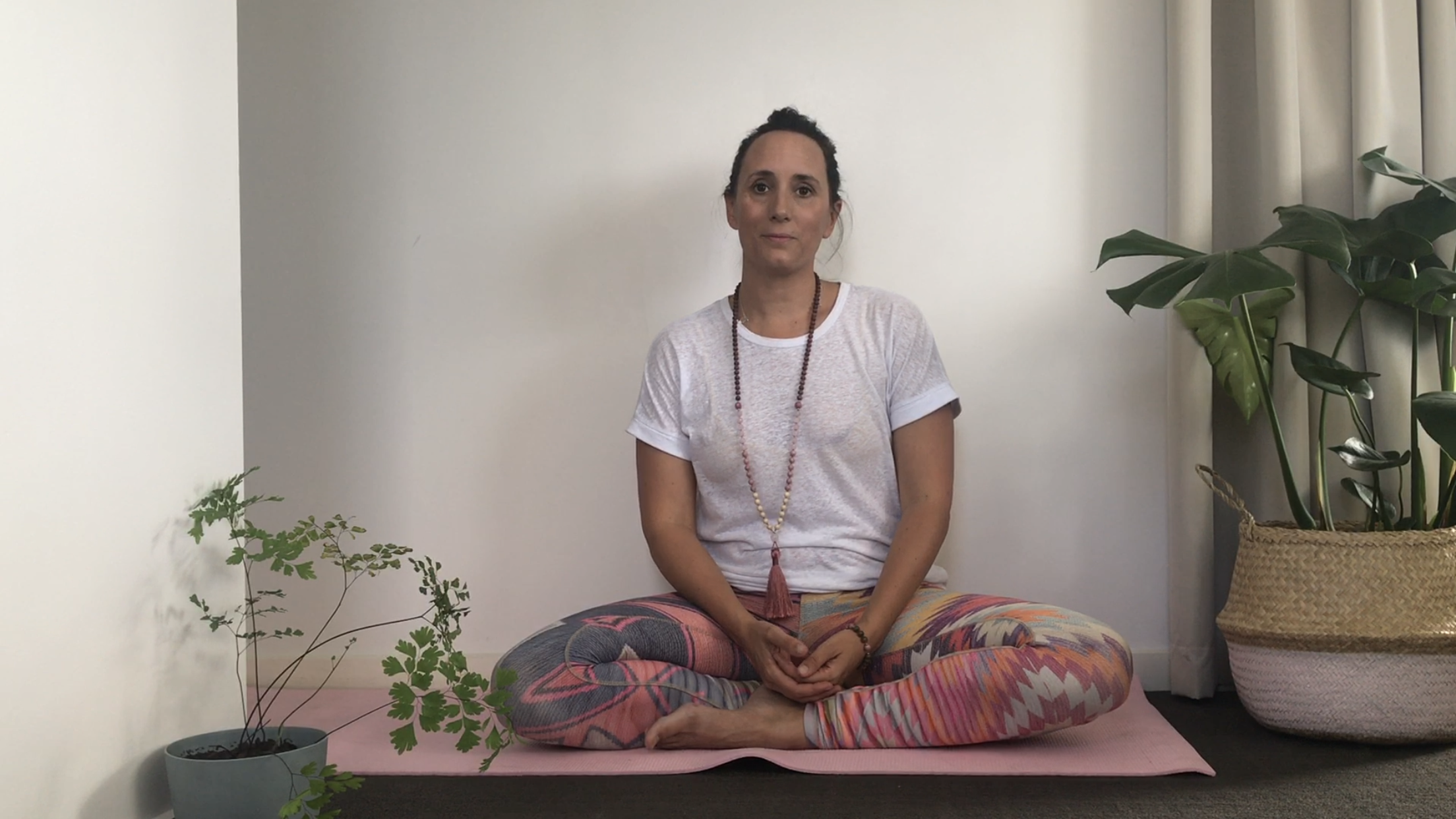
Relaxed diaphragmatic breath with pelvic floor awareness

Today we present you with a short video of how to practise a relaxed diaphragmatic breath, with pelvic floor awareness. 

Why are relaxed diaphragmatic breaths important? Well … when we take a relaxed breath in, our thoracic diaphragm moves down and our pelvic floor lengthens and drops down slightly.  Then, when we breathe out, our thoracic diaphragm moves up and our pelvic floor shortens, as it contracts and lifts slightly.

This breathing allows our pelvic floor to lengthen and shorten in a natural physiological way, this action is vital for the optimal function of our pelvic floor.

At Eastern Osteopathy, we have noticed that many of our patients breathe using their upper chest, rather than allowing their breath to expand their lower ribs, belly and back. This upper chest breathing does not allow the pelvic floor muscles to lengthen and drop down when they breathe in. Over time, this type of breathing can cause the pelvic floor to shorten and may even cause issues with incontinence, urgency/frequency, or pelvic pain.

So it is definitely worth giving diaphragmatic breathing a go!

What is overactive bladder and why is my pelvic floor important?

Note: This article is designed to be educational and informative and should not be used to make decisions about any health-related issues. An appropriate health professional should always be consulted when seeking to diagnose, treat and make decisions about your health. 

When the bladder fills with urine, the bladder wall (detrusor muscle) remains relaxed; simultaneously the pelvic floor muscles (PFMs) contract, this allows your bladder to fill with urine without leakage. When the bladder is full, a signal is sent to the brain where a decision is made about whether it is an appropriate time to urinate. 

When we are on the toilet, the bladder wall (detrusor muscle) starts to contract and at the same time the PFM will automatically relax to allow for the flow of urination. This system is great when both the bladder and PFMs are working correctly. However, with Overactive Bladder (OAB) the relationship is often dysfunctional. Typically with an overactive bladder, the detrusor muscle contracts inappropriately (ie not when the bladder is full) causing the person to feel a sudden, and sometimes overwhelming urge to urinate. 

IMG-20191101-WA0004.jpg

What are the symptoms of overactive bladder?

Overactive bladder syndrome consisting of urinary urgency, is usually accompanied by frequency and nocturia, with or without leakage, in absence of urinary tract infection (UTI) or other obvious pathology. (1)

URGENCY - The sudden strong urge to urinate. Urgency is often triggered by events such as putting the key in the lock, running water or seeing a bathroom.  

FREQUENCY - It is normal to pass urine 4 - 8 times in a 24 hour period, including once or perhaps twice at night (depending on your age). If your detrusor muscle is contracting when your bladder isn’t full, you may need to urinate more frequently, usually to pass small amounts of urine.  

URGE INCONTINENCE - Making it to the toilet on time can be difficult for some people as their bladder gives them very little or no warning, resulting in urine leaking. This can range from a few drops to a full bladder. 

NOCTURIA - If your detrusor muscle is contracting more frequently, you may find that you are waking at night to pass urine more than what is considered normal. It is normal to wake to void  up to twice at night (depending on your age)

Lifestyle modifications 

Lifestyle modifications, including a variety of behavioral changes can reduce OAB symptoms.

  1. Regulating your fluid intake; Too much fluid can overfill the bladder and too little can concentrate the urine, which irritates the bladder. (2)

  2. Limit bladder irritants;  Limit Alcohol, caffeine-based drinks, artificial sweeteners, spicy foods and carbonated drinks which can irritate the bladder, further exacerbating symptoms of overactive bladder. (3) (4) Alcohol also has a diuretic effect, which can cause more frequent urination.

  3. Avoid Constipation; constipation can trigger or worsen symptoms of overactive bladder. Straining to open your bowels can weaken the pelvic floor. (2)

  4. Keep your weight in the healthy range; evidence suggests that losing weight can decrease the severity and frequency of symptoms. (5)

  5. Avoid smoking; ceasing smoking can reduce urinary frequency. (6)


Bladder training 

Step 1. Increasing bladder fill volume. (7)

The aim is to increase your urine volume by visiting the toilet less often. How do I do this? 

When you first feel the need to go to the toilet, try to ignore it. If the ‘need” is a strong urge, use the strategies below to defer the urge. Put off going to the toilet until the next time you feel the urge. Initially this may only be a few minutes. As you improve, you should be able to defer for 30 minutes or longer. 

During the night if you wake with the urge to go, get up and go immediately. 

Step 2. Deferral strategies: 

These strategies aim to dampen or suppress the overwhelming urge associated with OAB. We recommend you experiment with the below strategies and find the one that works best for you. Continue with your most effective strategy until the initial urge has passed. Then you can make a decision, if you need to go to the toilet or perhaps you can now wait. 

1. Pelvic floor muscle contractions: Stop, relax, breath and engage your pelvic floor. 

This is one of the most effective methods, as a pelvic floor contraction can turn your detrusor muscle off. Try taking a relaxed breath in and slowly engaging your pelvic floor for 10 seconds or 5-6 rapids contractions until the urge has subsided. (2)

2. Use perineal or clitoral pressure, (hand pressure over the crotch), while sitting on the edge of a chair or table. 

3. Roll up a bath towel and keep it on a chair. Sit on this roll when you have a strong urge to urinate. Tighten and hold your Pelvic floor muscles until the urge passes. You may even choose to place the chair in a place where triggers happen, i.e. at the front door. 

4. Squeeze the skin under your nose, Toe curling, Walk on toes - These can be a great way to distract you from the urge to urinate.

It is important to celebrate every time you reduce the urge to go to the toilet! Even if you last one minute before you need to head to the toilet. This is a positive step towards changing the relationship you have with your bladder.

 Step 3: Decrease your sensitivity to triggers.

Firstly identify your triggers, the most common are running water, arriving home and putting your key in the lock, or entering the bathroom. 

To help decrease the sensitivity of your triggers, try approaching the trigger with an empty bladder. Then, slowly approach the trigger with increasing periods of time after voiding. For example, if your trigger is ‘the running shower’, try going to the toilet prior to turning the shower on,  then slowly start to increase the time period before turning the shower on.


How can osteopathy help with overactive bladder and urgency?

As osteopaths we look at the person as a whole, we will assess overall alignment, movement patterns, breathing, pelvic floor function and deep core engagement. We will endeavour to work out why your symptoms arose in the first place and create a specific treatment plan that will include an osteopathic treatment.

As a part of our treatment plan we  may give advice on a specific bladder training program, urgency deferment strategies, lifestyle modifications, pelvic floor muscle rehabilitation (strengthening or relaxation), and mindfulness. 

With the use of real time ultrasound, your osteopath can check to see if you are correctly/fully emptying your bladder. 

Some patients with an overactive bladder also have tight pelvic floor muscles. A tight pelvic floor can increase the sensations of urinary urgency. You may be asking your pelvic floor to work extra hard to prevent leakage, which can cause your pelvic floor to become overactive and tight. When in this state, the pelvic floor is no longer able to positively influence the bladder (i.e. turn the detrusor muscle off), which can make the symptoms of OBA worse.  

If this is the case for you, your osteopath will help you to address this before any strength training. 

Referneces

  1. ICS terminology report, 2010

  2. Evaluation and management of overactive bladder: strategies for optimizing care. Marcella G Willis-Gray, Alexis A Dieter, and Elizabeth J Geller

  3. Dietary caffeine intake and the risk for detrusor instability: a case-control study.Arya LA1, Myers DL, Jackson ND.

  4. Caffeine and urinary incontinence in US women.Gleason JL1, Richter HE, Redden DT, Goode PS, Burgio KL, Markland AD.

  5. The prevalence and risk factors of overactive bladder symptoms and its relation to pelvic organ prolapse symptoms in a general female population. de Boer TA1, Slieker-ten Hove MC, Burger CW, Vierhout ME.

  6. EFFECT OF SMOKING CESSATION ON OVERACTIVE BLADDER SYMPTOMS IN ADULTS: A PILOT STUDY. Wyman J1 , Allen A2 , Hertsgaard L2 , Overson E2 , Allen S2 , Hatsukami D2 1. School of Nursing, University of Minnesota, 2. School of Medicine, University of Minnesota 

  7. Bladder training for urinary incontinence in adults. Wallace SA1, Roe B, Williams K, Palmer M.

How do I know if I have a Problem with my pelvic floor?

Screen Shot 2019-10-25 at 10.13.08 am.png

At Eastern Osteopathy we are passionate about supporting those with pelvic floor dysfunction (PFD). Many people associate PFD with a weak pelvic floor and urinary incontinence. However, this is not always the case as PFD looks different for every person. For some people it’s the inconspicuous leg crossing when you sneeze; maybe you head to the toilet before leaving the house or work, just in case, or perhaps you find it difficult to enjoy intercourse with your partner due to pain and discomfort. 

Pelvic floor health is not the standard conversation had over a chai latte with friends. You don’t see many women (or men) putting their hands up and acknowledging they peed a bit during their circuit class. Or, that they were the one who kept letting out a smell during their yoga class. 

The topic of pelvic floor health tends to be taboo, embarrassing or both for many.

We believe the conversation regarding pelvic floor health needs to be open, sensitive and on the table.

Pelvic Floor Dysfuction QUESTIONNAIRE


The first step is determining whether or not you have an issue with your pelvic floor. Not sure if you have a pelvic floor dysfunction? Easy, take our quick questionnaire!

  1. Do you sometimes leak when you cough, sneeze, laugh, lift something heavy?

  2. Do you sometimes cross your legs when you cough, sneeze or laugh?

  3. Do you sometimes leak when playing sports or exercising?

  4. Do you ever get the sensation that you haven’t completely emptied your bladder?

  5. Do you find intercourse painful and or uncomfortable?

  6. Do you sometimes suffer with constipation?

  7. Do you sometimes strain when emptying your bowels?

  8. Do you have to rush to the toilet? With or without leakage.

  9. Do you go to the toilet more than 8 times a day?

  10. Do you need to get up more than once a night to go to the toilet? 

  11. Do you ever feel a bulge, heaviness, pulling or dragging sensation in your vagina?

  12. Do you sometimes find running water, your front door or keys make you rush to the toilet?

  13. Do you ever have trouble holding gas in?

  14. Do you experience pelvic pain? Lower back or hip pain? 

  15. Do you suffer with coccyx pain?


Did you answer yes to any of the above questions? 

No? Great. It’s very unlikely you have any issues with your pelvic floor. 

If you answered YES to any of the above questions, which is very common. You may have an issue with your pelvic floor or a structure that impacts your pelvic floor. 

The good news is, in most cases, with treatment, lifestyle changes, a specific pelvic floor rehabilitation program (this may involve strengthening your pelvic floor or you may need to learn to relax your pelvic floor prior to starting a strengthening program) and movement practice; the Pelvic Health osteopaths at Eastern Osteopathy can help you regain your confidence and improve your symptoms.

If you want to make an appointment with Kate or Liz you can do so by calling the clinic on
03 9042 0407 or by booking a Pelvic Health Assessment online at www.easternosteo.com.au